
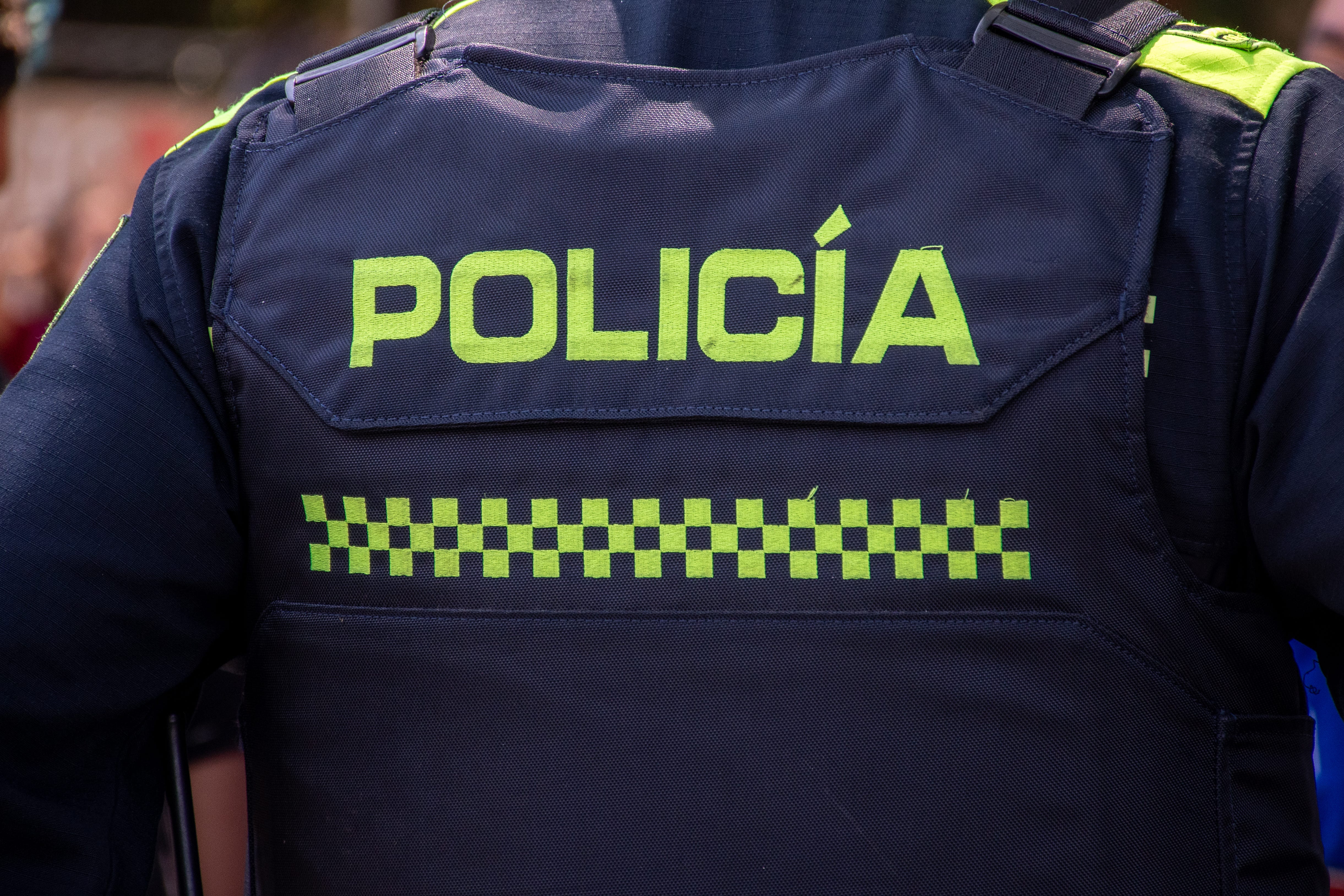
For eight decades, Ethnos360 (formerly New Tribes Mission) has convinced its members that crimes committed overseas are somehow complicated—and therefore missionaries need to trust leadership to decide whether or not to call the authorities.
I remember being taught this directly.
In 2005, Ethnos360/Tribes Mission’s in-house counsel, Scott Ross, traveled to Roach, Missouri, to speak to a class at the Missionary Training Center about “child safety.”
I clearly remember him saying:
“If something happens to you or your child overseas, we will not be calling the police in that country because their justice system is not fair or good. We wouldn't want an American citizen to have an unfair trial.”
He went on to explain how complicated it was when crimes happened overseas and that we would need to trust leadership to handle those situations.
I believed that.
Recently, though, I was talking to someone who has been away from the mission for a long time about what missionaries should actually do when a crime occurs overseas.
Their answer was incredibly simple:
Report crimes to the authorities in the country where they were committed.
That’s it.
There is never a scenario where that does not apply.
Report crimes to the authorities. Every time.
Crimes that happen overseas are not somehow different from crimes that are committed in your home country.
Call the local police.
Only after that should you tell the mission leadership.
Leadership absolutely should not be deciding whether or not you contact law enforcement. If an organization believes it gets to make that decision for you, that is an enormous red flag.
If leadership controls whether members are allowed to report crimes to outside authorities, you are dealing with cult level control.
This includes crimes involving children.
Not everything between children is normal play or curiosity. A child can seriously harm another child. A child can sexually assault another child. If there is force, coercion, lack of consent, or one child using power over another, you don’t get to make it disappear by calling it “child on child.”
Reporting this type of incident to authorities will hopefully allow both children to receive the help that they need.
I know exactly what you missionaries in Papua New Guinea, Indonesia and Thailand may be thinking:
There’s no way I could call the police here on my 12-year-old boy.
There’s no way I could call the police on my neighbor.
There’s no way I could call the police on my husband.
Okay.
Then you have a much bigger problem.
If you have taken your family to live in a country where you believe the justice system is so dangerous or unjust that you would refuse to report a serious crime, you should not be living there.
Imagine a German family living in the United States. Their 18-year-old son commits a serious crime there. His parents don’t trust or like the American justice system, so they put him on an airplane and send him back to Germany, where he faces no consequences.
Citizens of the United States would be furious.
They would say: “You don’t get to live in our country and then decide our laws don’t apply to your family.”
Yet this is what Ethnos360 has consistently done in other people’s countries.
Mark Adams
Rich Hine
Gary Earl
Bill Licking
Les Emory
Ron Risse
David Brooks
Paul Gess
Ole Otteson
Josh Weeks
Bob Ames
Samuel Roger Bailey III
Donna Beach
Jim Bou
John Crossett
Al Lotz
Ann Lotz
Frank Sidney Parker
Dr. Bud Morton
Nate Horling
Joseph Moonsammy
Audrey DeJagger
Ken Johnston Jr.
Perry Utz
Harry Huddleston
Bill Poortvliet
Dean Grindstaff
Ralph Johnson
Paul Jeffrey Williams
Dawn Leslie Canright
Gene Rampenthal
June Newman
Jim Given
Norm Slaymaker
Jerome Peter Wnuk
Hammy Penner
Judy Penner
The list goes on and on and on.
These are all Ethnos360 missionaries who committed crimes against women and children on the “mission field” and who were sent back to their home country with no consequences.
The arrogance required of Ethnos360 to spend more than eight decades believing they are so special that they get to decide what happens after a crime, rather than the proper authorities, is staggering.
If you are unwilling to call the police because you do not trust the country where you are living enough to put your own family under its laws, then you need to seriously confront what that means:
It means you should not be there.
It was never as complicated as they taught us it was.
Call the police. Every time.
By - a former Missionary
---
If something was done to you, please consider contacting an attorney experienced in abuse and institutional cases. BozLaw and Haba Law are two places where you can request a free consultation.
A consultation does not commit you to a lawsuit. It does not commit you to doing anything at all. It simply gives you independent legal advice so you can understand your rights.
In closing, Imagine if abusers knew they would be at the mercy of a ‘corrupt ‘ host nation’s police system and /or judicial system if they violated their laws— I suspect they would think twice before committing the act. Nothing like paying for your sins “third world country style” to change your wicked ways!
"Call the police. Every time." 100%